September 17, 2026
A subterranean room offers incredible potential for expanding domestic living areas, creating recreational spaces, or increasing overall residential property value. However, persistent moisture intrusion often prevents property owners from fully utilizing this valuable subterranean square footage effectively. Water entering lower structural levels causes serious architectural damage, promotes unhealthy mold growth, damages personal belongings, and degrades indoor environmental quality over extended periods. Unchecked dampness can quickly transform what should be a cozy retreat into an unusable, damp, and musty storage area. Addressing these complex hydrological challenges requires a comprehensive understanding of moisture movement, structural vulnerabilities, and modern mitigation techniques. Investing time and financial resources into proper basement waterproofing protects the structural integrity of your foundation while opening up endless possibilities for future interior renovation projects. Taking proactive steps today ensures that your subterranean living space remains safe, dry, healthy, and comfortable for many years to come. Every home deserves a solid, healthy foundation that supports comfortable daily living for the entire family.
Identifying Common Moisture Signals
Recognizing early indicators of liquid infiltration allows property owners to resolve subterranean problems before severe structural degradation occurs within building components. Subtle signs often appear long before visible pools of liquid collect on concrete floors or along lower wall perimeters. Homeowners should regularly inspect concrete surfaces for efflorescence, which manifests as a white powdery crystalline deposit left behind when migrating water evaporates from wall surfaces. Damp spots on masonry walls, peeling paint on finished surfaces, rusting metal fixtures, and warping wooden framing studs also signal elevated humidity levels within subterranean zones. Ignoring these preliminary symptoms inevitably leads to more extensive damage that requires expensive structural restoration and complicated environmental remediation efforts throughout the entire residence.
Beyond visual indications on physical surfaces, atmospheric changes within lower building zones provide critical clues regarding environmental moisture levels. Persistent musty odors consistently indicate active mold colonies flourishing in hidden wall cavities, behind insulation panels, or under carpet flooring materials. High ambient humidity makes subterranean rooms feel uncomfortably cool and clammy during warm weather seasons, forcing household heating and cooling systems to work much harder to maintain comfort. Additionally, persistent condensation forming on cold water pipes or window glass signals that airborne moisture levels exceed healthy residential thresholds. Timely intervention using effective basement waterproofing measures halts these progressive symptoms and preserves the structural framework of the entire residence for generations to come.
Evaluating Primary Protection Methods
Selecting an appropriate defensive strategy requires assessing how water interacts with foundation materials from both interior and exterior perspectives. According to This Old House, there are two main types of basement waterproofing: exterior and interior. Understanding how these distinct approaches differ helps property owners choose the most effective strategy for their specific geographical location, soil composition, and architectural layout. Comprehensive subterranean defense plans often integrate elements from both methodologies to achieve maximum long-term resilience against severe weather events, seasonal high water tables, and hydrostatic pressure against concrete foundation surfaces.
Interior moisture management primarily focuses on capturing liquid that has already penetrated masonry walls and routing it safely away from living areas. Exterior techniques focus on stopping water before it ever touches foundation walls by installing physical barriers and drainage membranes against outer structural surfaces. Choosing the correct balance between these strategies depends heavily on existing site conditions, landscape grading, budget considerations, and physical accessibility around the foundation perimeter. Implementing professional basement waterproofing ensures that subterranean spaces remain completely dry regardless of seasonal precipitation fluctuations, heavy rainfall, or sudden groundwater surges across various weather conditions.
Installing Effective Drainage Systems
Managing groundwater accumulation around subterranean structures requires robust drainage mechanisms capable of handling heavy rain volumes effectively over time. Perforated drainage pipes placed alongside foundation footings capture subsurface water before hydrostatic pressure forces moisture through porous concrete or masonry expansion joints. These collection pipes channel liquid toward dedicated collection basins where automatic pumping systems discharge the water far away from the residence foundation. Proper pitch along subterranean piping networks guarantees continuous gravity flow and prevents standing water accumulation inside critical structural channels around the entire building footprint.
Internal perimeter drainage channels represent another critical component for managing water that seeps through lower wall boundaries or floor joints. Contractors cut a narrow channel along the interior edge of the concrete floor slab, install specialized perforated drainage conduits, and cover the system with fresh concrete. Water entering through walls falls directly into these subterranean channels and flows smoothly toward an integrated sump basin. Combining reliable mechanical pumping systems with quality basement waterproofing materials creates a dependable defense against sudden groundwater rises during extreme precipitation events across all seasons of the year.
Applying Durable Coating Membranes
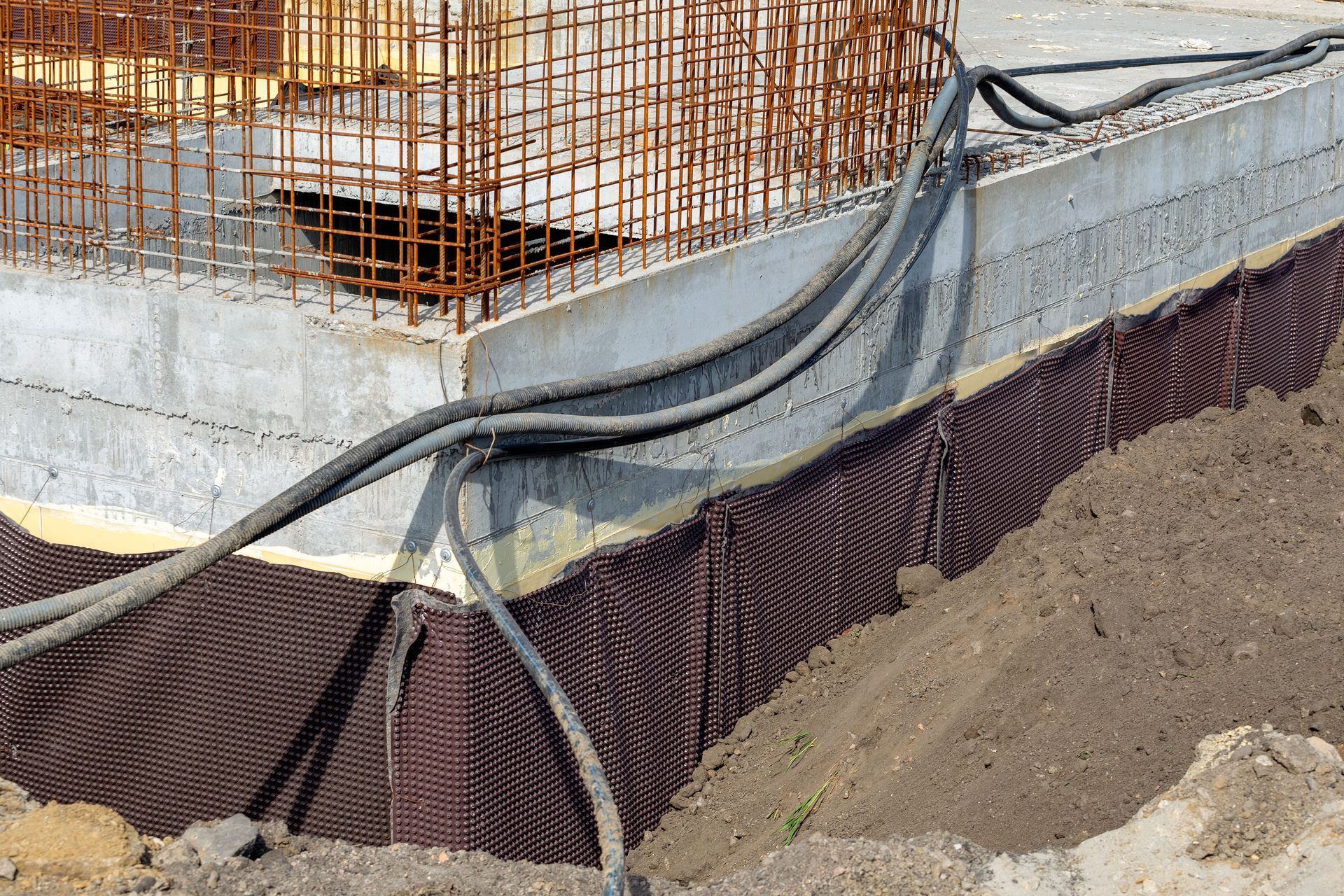
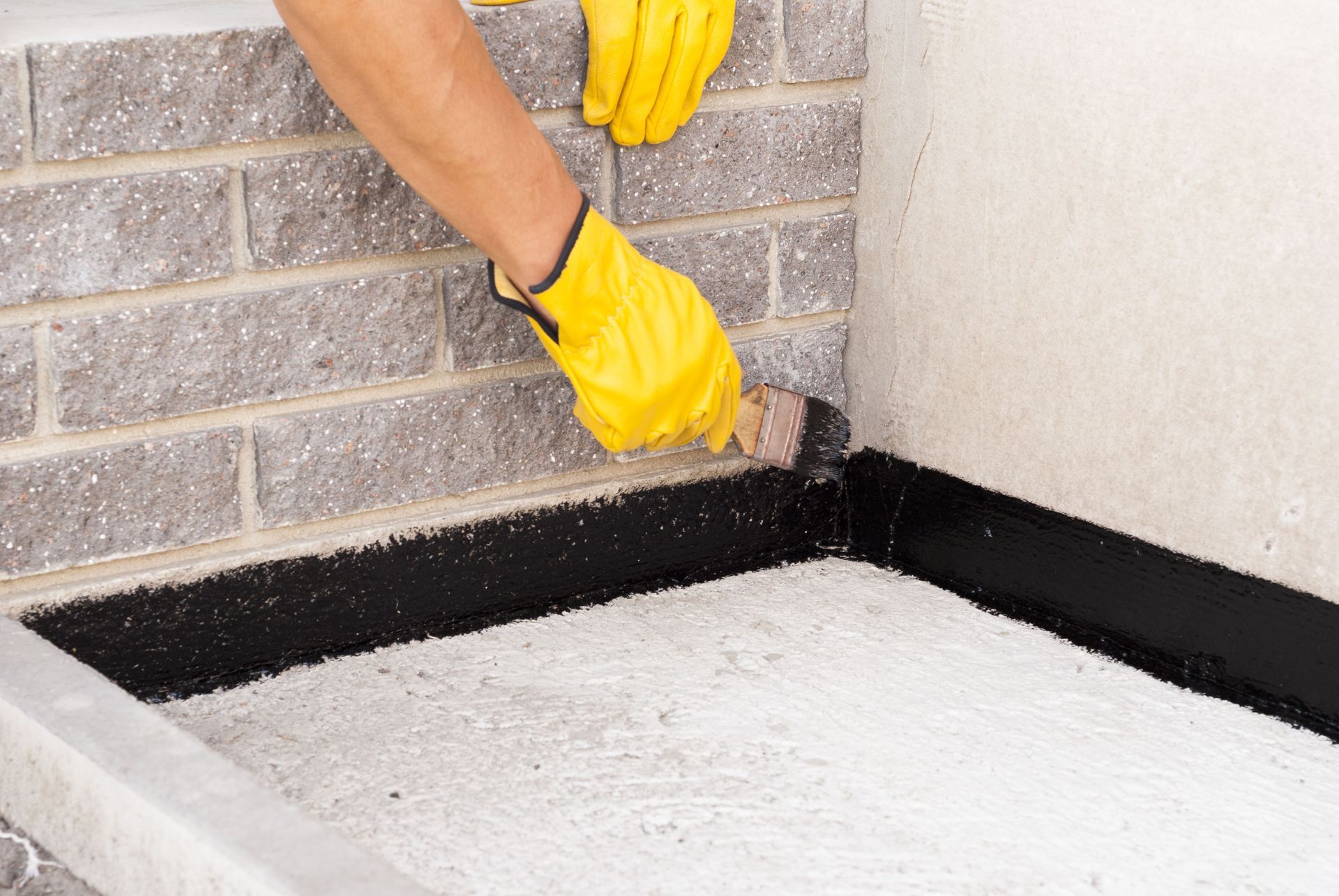
Sealing exposed masonry surfaces with specialized liquid or sheet membranes blocks capillary action through porous concrete building materials. Liquid elastomeric coatings cure into flexible rubberized barriers that bridge minor structural hairline cracks and accommodate subtle building settling over long periods. Heavy-duty dimpled plastic membranes installed against exterior foundation walls create an air gap that allows migrating groundwater to drain freely down toward perimeter collection systems. Applying these specialized protective layers directly to raw masonry prevents moisture migration through foundation walls and protects long-term structural stability for the entire building structure.
Internal masonry sealants and crystalline waterproofing compounds penetrate deep into concrete pores to form insoluble crystalline structures that block liquid passage completely. These penetrating chemical treatments become an integral part of the concrete mass, strengthening the material while blocking subterranean moisture migration from within. However, surface sealants alone cannot withstand intense exterior hydrostatic pressure without supporting interior or exterior drainage systems working in tandem. Integrating modern chemical coatings into a complete basement waterproofing project guarantees long-term protection against persistent groundwater intrusion and structural damage over extended operational timelines.
Maintaining Optimal Environmental Conditions
Preserving a dry subterranean environment requires regular ongoing inspection and proactive maintenance of all installed moisture defense components over time. Gutters and downspouts surrounding the home must remain clear of leaves, twigs, and roofing debris to ensure rainwater drains properly far from foundation walls. Landscape soil grading should slope away from the structure at a consistent angle to prevent rainwater from pooling along exterior building boundaries. Property owners should also inspect exterior ground surfaces regularly to fill settled soil pockets that collect rainwater near foundation walls during heavy seasonal storms.
Mechanical components like automatic sump pumps and backup battery systems require routine testing to guarantee continuous operation during unexpected power outages or severe local storms. Cleaning sump pit basins, checking valve mechanisms, and verifying discharge line clearance prevents unexpected mechanical failures when heavy rain strikes your neighborhood. High-efficiency dehumidifiers located within lower living areas keep relative indoor humidity levels below damaging thresholds during humid summer seasons. Investing in routine maintenance alongside professional basement waterproofing secures long-term comfort, protects indoor air quality, and preserves home equity for many years into the future. Continuous vigilance combined with professional support keeps subterranean living zones pristine and dry.
Transforming a damp lower level into a vibrant and functional living space requires a methodical approach to moisture control and structural preservation. By identifying early signs of dampness, evaluating defensive strategies, installing proper drainage infrastructure, applying reliable protective membranes, and maintaining optimal environmental conditions, homeowners can fully enjoy their subterranean spaces without fear of water damage. Professional guidance ensures that every installation meets strict architectural standards and withstands severe environmental stress over extended periods. To safeguard your home, secure your investment, and start your subterranean transformation journey today, contact Safeseal Foundation Solutions LLC.