October 16, 2026
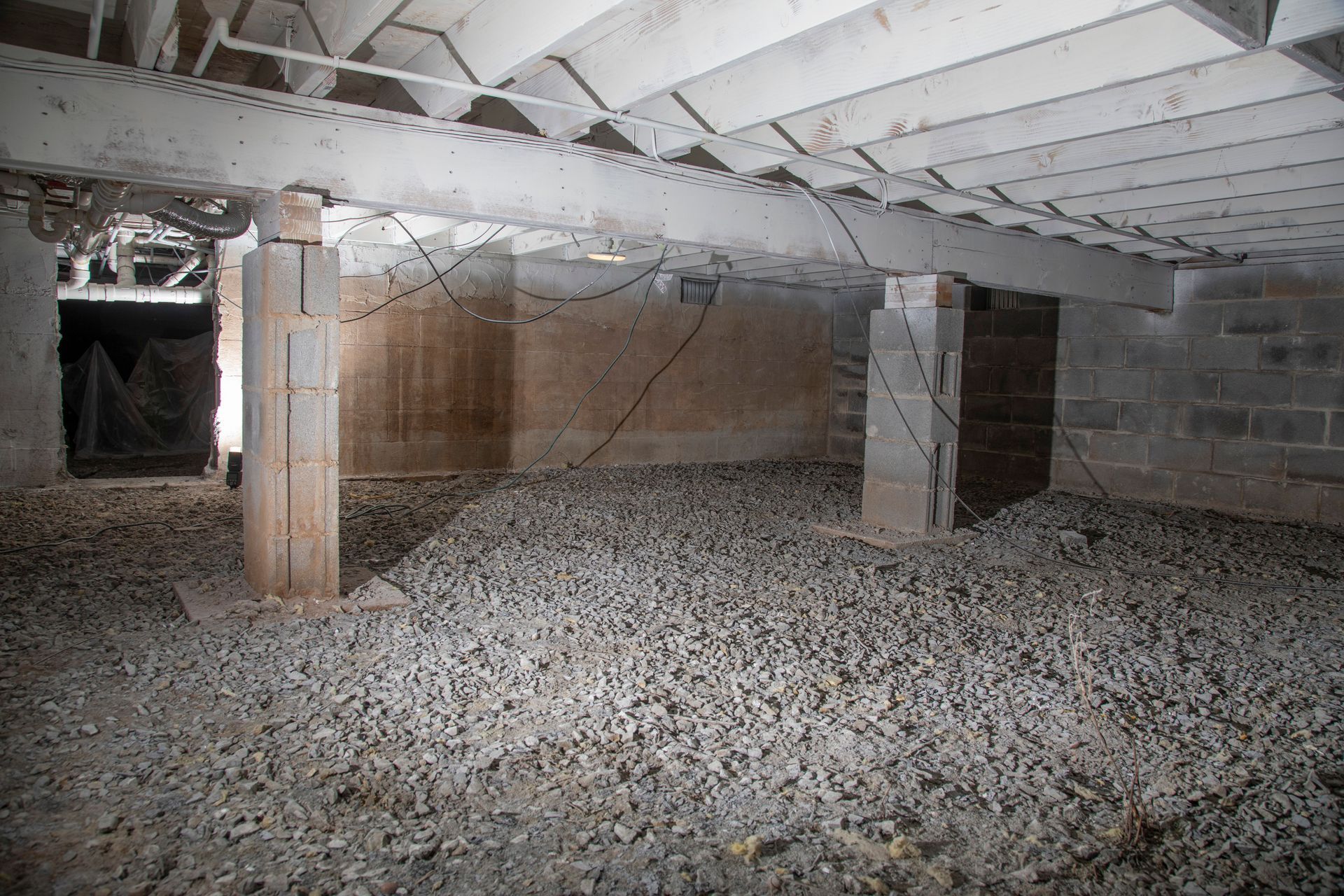
Understanding what professional crawlspace encapsulation services entail can help homeowners make informed decisions about protecting their homes from moisture damage, pests, and energy inefficiencies. Crawlspaces, often ignored, play a crucial role in the overall health of a house. A neglected crawlspace can lead to a plethora of issues, including structural damage and elevated energy bills. Professional crawlspace encapsulation services involve transforming a dank, dark, and damp old crawlspace into a clean, dry, energy-efficient, and structurally sound space that enhances the overall living conditions of the home.
A comprehensive assessment is the foundational building block of any successful restoration and encapsulation effort. Homeowners who engage with licensed specialists can expect a detailed initial consultation followed by an in-depth site inspection designed to pinpoint exact structural vulnerabilities, test moisture content, evaluate air movement, and outline a tailored action plan. By identifying underlying issues such as high relative humidity, ongoing wood rot, foundational settlement, or pest intrusion before physical work begins, technicians can create a strategic blueprint that addresses the unique requirements of the property and ensures long-term home protection for many decades to come.
Assessing the Initial Space and Structural Integrity
Evaluating the physical environment requires specialized equipment and technical expertise to map out all existing and potential problem areas thoroughly. Trained inspectors use precision digital hygrometers, pinless moisture meters, infrared thermal cameras, and structural alignment tools to gauge relative humidity levels, locate hidden plumbing leaks, analyze foundation porousness, and evaluate current floor support mechanisms. This detailed diagnosis allows the engineering team to outline high-priority target zones, ensuring that labor and resources are allocated efficiently and that no underlying issues are overlooked during the main application process.
Delivering a clear and detailed proposal completes this diagnostic phase, giving property owners complete visibility into the full project scope and timeline. This comprehensive document meticulously outlines the planned installation steps, recommended material grades, precise cost estimates, structural repair requirements, and expected completion schedules. Having a transparent service proposal empowers property owners to make well-informed financial and logistical decisions, establishing clear expectations and mutual accountability for both parties before any physical construction or surface preparation begins on the property.
Preparing the Substructure and Clearing Debris
Preparing the subterranean area demands meticulous labor to clear out old compromised materials, hazardous biological buildup, construction debris, and organic waste. Technicians carefully remove accumulated soil layers, decayed fiberglass insulation, discarded wood fragments, and sharp rocks to establish a clean, level foundation for all subsequent barrier installations. Clearing out foreign debris also exposes hidden structural vulnerabilities, such as subterranean termite tunnels, carpenter ant damage, or localized joist decay, which must be fully remediated prior to applying any specialized moisture barriers or protective sealants.
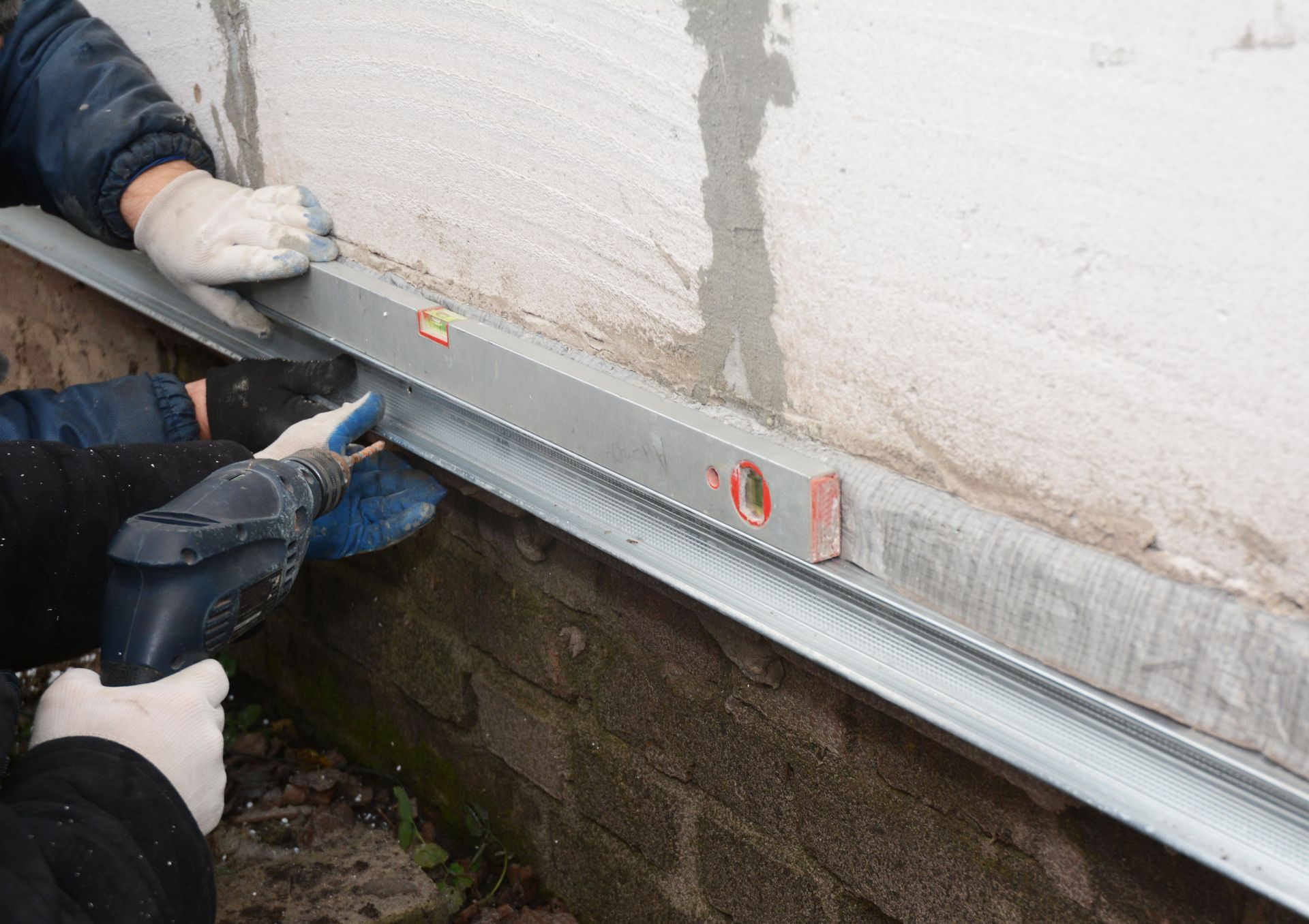
Addressing structural deficiencies and eradicating biological growth occurs immediately after clearing the physical area. Technicians specializing in crawlspace encapsulation services install adjustable jack posts to repair sagging floor joists, seal foundation wall cracks with hydraulic cement, apply EPA-approved anti-fungal treatments to eliminate mold spores, and institute targeted pest control measures. Establishing an even, carefully graded surface across the entire first floor facilitates uniform application of protective materials while simultaneously improving subsurface drainage pathways beneath the structure.
Installing Advanced Heavy-Duty Vapor Barriers
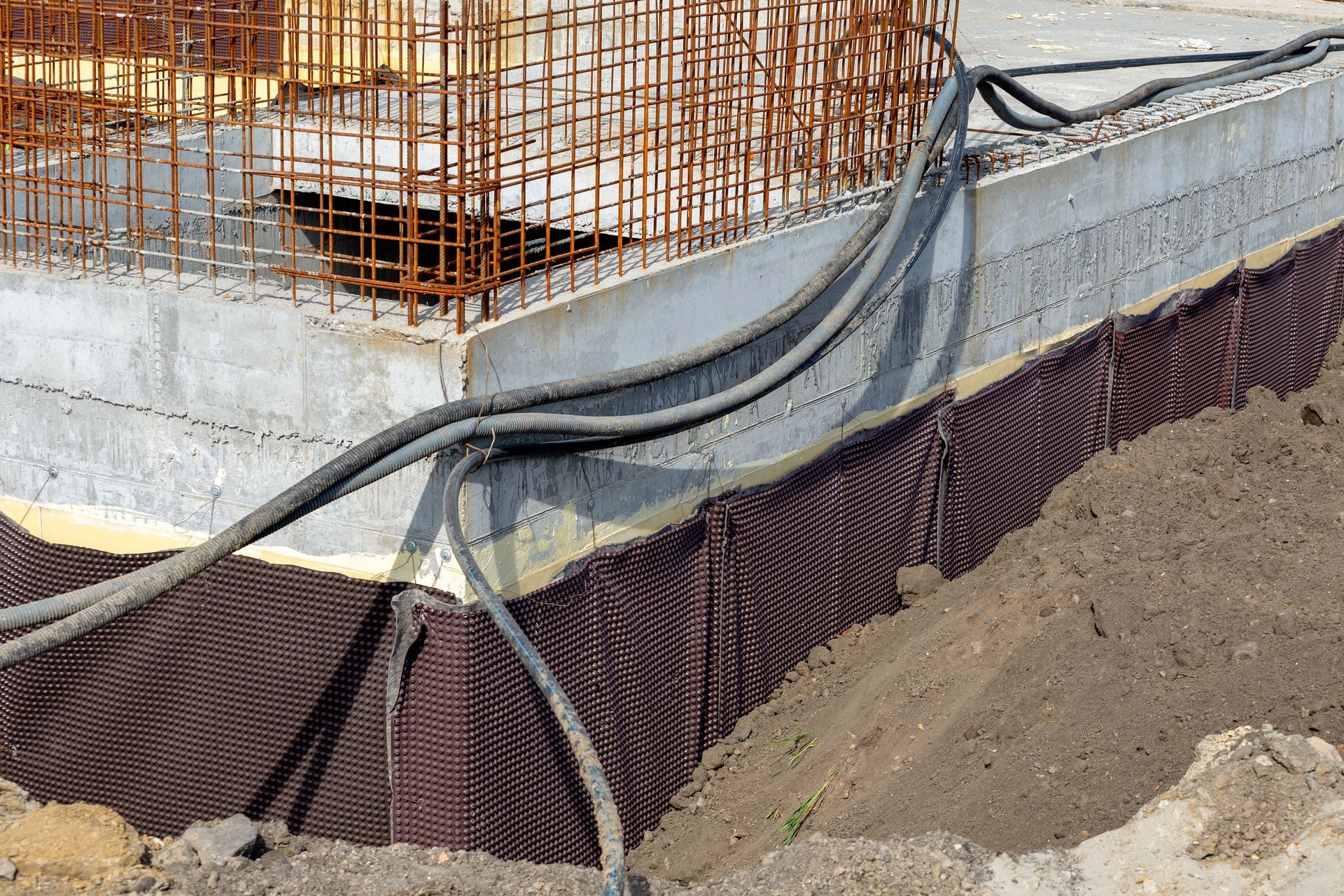
Selecting high-durability vapor barrier materials is critical to creating an impenetrable protective shield against continuous ground moisture emission. Technicians carefully evaluate material thickness, tear resistance, puncture ratings, and ply composition to suit the specific climate conditions before securely anchoring multi-layer reinforced polyethylene sheeting across the entire first floor area. Securing these heavy liners with heavy-duty stakes prevents material displacement, tears, and moisture ingress, effectively isolating the building interior from dangerous soil gas, radon, and underground dampness.
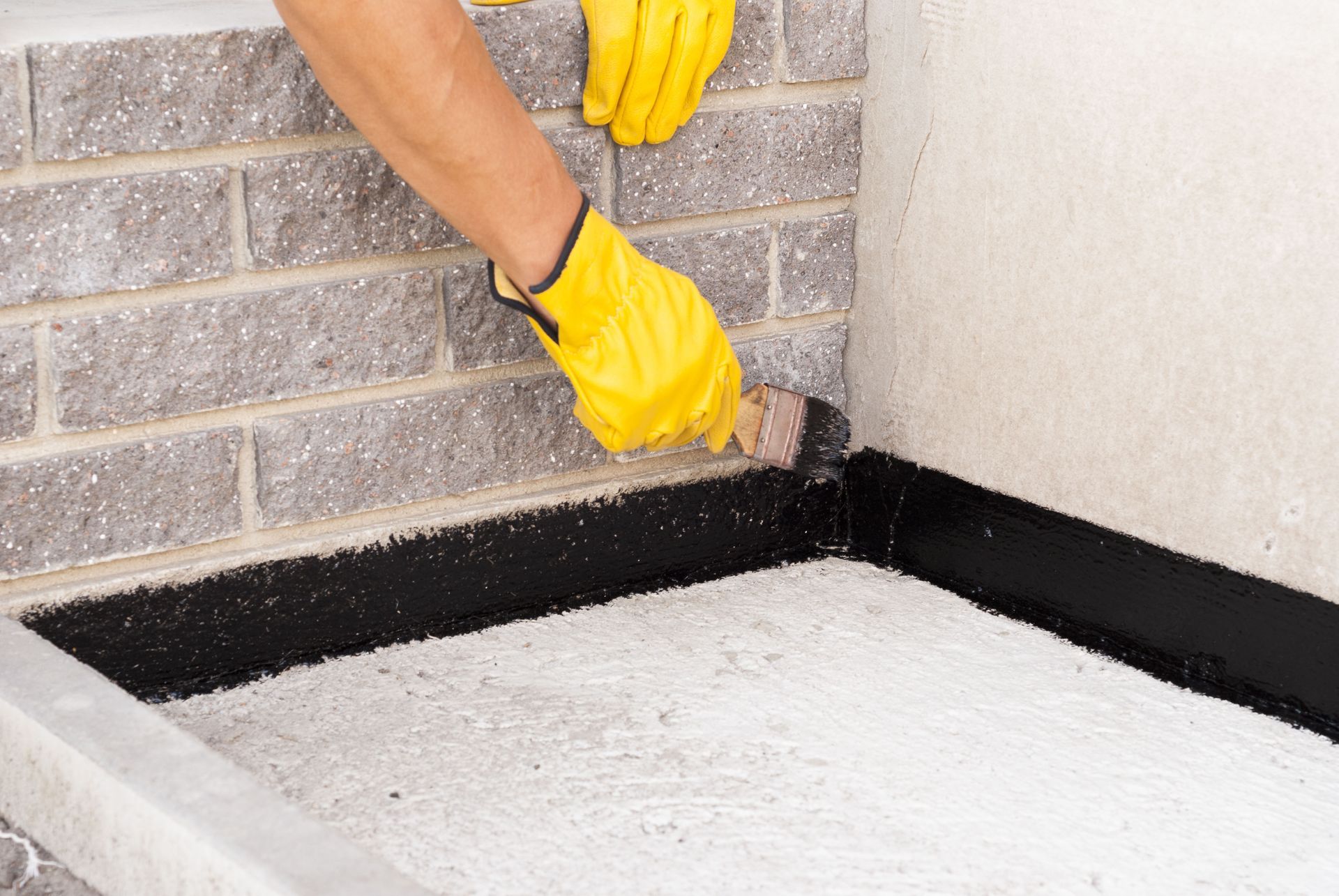
Extending the protective liner up foundation walls and tightly around central support columns creates a completely sealed lower building envelope. Every single overlap seam, perimeter edge, wall fastener, and pipe penetration is taped, sealed, and bonded using specialized heavy-duty butyl tape and polyurethane sealants to block air migration and vapor diffusion completely. Rigorous quality control checks are systematically performed throughout this step to verify complete seam adhesion, verify mechanical fastening strength, and ensure the overall protective barrier system performs flawlessly over extended timeframes. Additionally, technicians conduct final inspections to confirm that every square foot meets strict performance specifications.
Adding Thermal Protection and High-Performance Insulation
Enhancing thermal efficiency within the lower level of a residential structure requires installing high-grade insulation materials designed to resist atmospheric humidity and water degradation. Continuous rigid foam board or closed-cell spray foam insulation applied across foundation walls, rim joists, and sill plates limits conductive heat transfer, eliminates cold drafts, and stabilizes internal temperature fluctuations throughout every season of the year. Thermal bridging is virtually eliminated by systematically filling all gaps, seams, and joints between structural members, ensuring optimal performance and energy retention from the installed insulation materials.
Selecting moisture-resistant insulation options guarantees that thermal efficiency ratings remain consistently high even in demanding subterranean conditions. The choice of insulation depends on factors such as budget, climate, and specific crawlspace needs. Proper insulation plays a vital role in minimizing energy consumption and maintaining consistent indoor temperatures. According to Fox Blocks, while 54% of homes rely on concrete slabs, those with crawlspaces can significantly benefit from tailored insulation solutions for optimal energy efficiency.
Integrating Specialized Dehumidification and Air Systems
Installing a heavy-duty, commercial-grade dehumidification unit provides permanent control over relative humidity levels within the newly sealed enclosure. Environmental specialists properly size and position the unit based on total square footage, cubic volume, airflow dynamics, and regional climate conditions to maintain balanced indoor air quality below critical threshold levels. Integrating this specialized mechanical system directly into the protective envelope ensures continuous moisture extraction, active air filtration, and reliable protection against wood-decaying fungi and allergen accumulation.
Ensuring regular maintenance and continuous atmospheric monitoring keeps the climate control system operating at peak energy efficiency year after year. Homeowners receive thorough operational guidance on inspecting air filters, clearing condensate drainage lines, testing automatic gravity drains, and tracking relative humidity levels via remote digital hygrometers installed inside the living quarters. Proactive monitoring ensures that relative humidity consistently remains below fifty percent, effectively preserving structural timber components, safeguarding flooring materials, and upholding healthy indoor air quality.
Maintaining a well-protected substructure involves periodic professional service visits to check liner integrity, audit mechanical equipment operation, clean drainage basins, and address minor wear before issues escalate into costly structural repairs. Scheduled annual inspections allow certified technicians to verify that every seal, barrier, drain, and mechanical component remains fully operational, guaranteeing that the installed protective assembly continuously defends the home against groundwater invasion, humidity spikes, and seasonal weather shifts over many years. Regular upkeep ensures long-term system durability.
Partnering with experienced professionals ensures long-term peace of mind through comprehensive warranties that cover both specialized installation labor and physical material integrity. By maintaining open lines of communication with qualified technicians, reviewing system performance metrics, and monitoring atmospheric humidity levels, property owners can protect their valuable real estate investments effectively. Utilizing professional
crawlspace encapsulation services through Safeseal Foundation Solutions LLC provides guaranteed technical expertise, long-term structural durability, and complete peace of mind, so contact Safeseal Foundation Solutions LLC today to schedule a comprehensive assessment and protect your property for the future. Taking this proactive step safeguards the structural integrity of the home. Choosing expert solutions guarantees a safer environment for your entire family.